

I’ve spent years exploring the background of online casinos, and I can tell you: the one thing that matters most is the piece of paper on their digital wall—their gambling licence https://pribets.eu/. For UK players, understanding licensing standards isn’t just legalese; it’s your main defense against unfair treatment, delayed payouts, and security nightmares. When I look at a platform like Pribet Casino, the first thing I search for is the regulator’s stamp. This guide explains exactly what these licences mean, how they protect your deposits, and why a properly regulated place converts a simple bet into a genuinely safe hobby. I want you to feel assured every time you sign up.
Why the UK Gambling Commission Sets the Benchmark
I’ve consistently regarded the UK Gambling Commission as one of the toughest regulators out there, and with good cause. They operate under the Gambling Act 2005, responsible for ensuring gambling free of crime, guaranteeing fairness, and shielding children and vulnerable adults. When a casino targets UK players, it has to follow licence conditions that encompass everything from withdrawal speed to transparent marketing. I appreciate that the Commission doesn’t just grant licences and move on; they run ongoing mystery shopping exercises and forensic audits. They insist that operators check a player’s identity and age before any deposit, not only prior to a withdrawal. That’s a crucial safeguard—it prevents underage access and makes sure self-excluded players cannot easily slip through.

The Commission’s real power is its capability to penalize operators with huge financial penalties. I’ve witnessed them issue multi-million-pound fines for shortcomings in anti-money laundering or social responsibility. That builds a culture of compliance that helps every player. For you, it means a casino under UKGC rules must provide reality checks, deposit limits, and solid time-out facilities. They are unable to overwhelm you with misleading bonus offers that mask impossible wagering requirements in the small print. While Pribet Casino works under a different international framework, understanding the UK standard offers you a benchmark for excellence. I consistently contrast any international licence to the UK model; if a regulator can’t penalize or doesn’t have transparent complaint procedures, I see that as a big red flag for my money.
The function of verification bodies in equitable play
A licence relies on the verification processes behind it, and here is where independent testing agencies come in. I’m discussing companies like eCOGRA, iTech Labs, and Gaming Laboratories International. These entities are the unsung heroes of equitable competition. A regulator doesn’t have the engineering capacity to examine every line of code in a slot machine; they delegate that task to testing labs. These labs run extensive simulations to confirm that the stated return to player is precise in calculation. When I try a slot at Pribet Casino, I am aware the final position is produced by a validated RNG that is immune to tampering by the platform or the player. This accreditation isn’t a once-off process; the labs carry out periodic re-checks and covert testing to ensure that the real-world setting aligns with the validated setup.
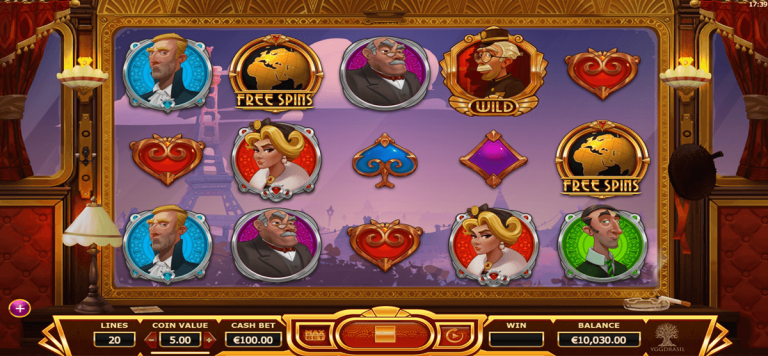
For streamed table games, the auditing includes the hardware. Card mixers, card shoes, and gaming wheels are adjusted and monitored. The bodies check that the broadcast is a genuine live transmission with no deceptive alterations. That gives you assurance that a real-time blackjack round is as honest as one conducted in a brick-and-mortar club. I regularly scroll to the bottom section of a casino site to find the testing agency’s seal. Tapping it should lead you to a valid certificate page on the agency’s domain. A fake seal that’s just an picture with no connection is a classic red flag. A strong licence plus a approved audit mark means the games are lawful and fairly randomized, providing you with a theoretical opportunity that aligns with the design of the game.
Steps to Check a Licence and Detect a Fake
I aim to give you the practical skill of examining a licence in under sixty seconds. The footer of a legit casino site will always show a licence number and the regulator’s logo. Don’t rely on the logo. Alternatively, go to the regulator’s authorized website and locate their public register of licensees. For the UK, it is on the Gambling Commission’s site. For Malta, that is the Licensee Register on the MGA site. Type in the brand name or licence number. The register should display the exact web address you’re visiting, the licence status, and any regulatory actions. If the site isn’t listed, or if the shown URL does not match, close your browser tab immediately. I’ve seen clone sites that imitate a real brand but function on a somewhat misspelled domain to avoid detection.
Check the date of the last compliance audit, too. A sound licence shows a track record of good standing. Look for the padlock symbol in your browser’s address bar—that means SSL encryption, but remember: encryption is not a licence. A scam site can buy an SSL certificate in minutes. The real test is the regulator’s database. I also recommend searching the brand name alongside “dispute” or “complaint” to see how they’ve managed past player issues. A series of unresolved complaints on independent forums points to a culture of non-compliance, although the licence is formally active. Taking these steps transforms you from a passive consumer into an informed participant who can confidently identify the distinction between a safe entertainment hub and a risky operation.
Accountable Gaming Tools Mandated by Law
I strongly believe a casino’s licensing quality demonstrates most clearly in its responsible gambling toolkit. A reputable regulator makes these tools mandatory, not optional. You ought to expect deposit limits you can set each day, weekly, or monthly. And here’s a key point: lowering your limit takes effect instantly, while raising it usually requires a 24-hour cooling-off period to stop impulsive decisions. Reality checks are another mandatory feature—a pop-up appears after a set play time, telling you exactly how long you’ve been logged in and showing your net win or loss. This breaks the trance that can lead to overspending. I also look for a self-exclusion option that lets you block access to your account for a set period, from six months to five years, with no marketing during that time.
The licence also demands the operator to link to professional support groups like GamCare and BeGambleAware. That’s not just a kind gesture; it’s a compliance necessity. The operator has to train their support staff to spot signs of harm and step in, not just push bonuses. For UK players, GamStop is a national self-exclusion scheme, but international licences often require their own strong cross-platform exclusion systems. I admire sites that also offer session limits and the ability to block specific payment methods. These tools turn the casino from a potential pitfall into a controlled entertainment space. A licence that doesn’t enforce these tools is basically a rubber stamp, and I’d tell you to avoid any platform that lacks a detailed, easy-to-find responsible gaming page.
Reasons Curacao Licences Appear Frequently and Their Significance for You
I’ll be frank about the Curacao licensing system: it works very differently from the UK or Malta models, yet it’s extremely common online. Traditionally, Curacao provided a single master licence covering all forms of gambling, and operators could get a sub-licence with relatively little friction. That does not inherently make a Curacao-licensed casino unsafe, but it indicates the regulatory oversight is weaker. The jurisdiction focuses more on business facilitation than heavy player protection. For a player, that implies you’re less likely to find a free, government-backed ombudsman service if a dispute pops up. Rather, you rely heavily on the casino’s own policies and the reputation of the master licence holder to mediate complaints.
But I’ve observed a big shift with the new Curacao Gaming Control Board, which is shifting toward a more clear and accountable system. The new framework seeks to separate the regulator from the operators more cleanly, addressing a historical loophole where the same entity could act as both referee and player. When I look at a brand operating under this licence, I check for evidence of third-party auditing. A legitimate Curacao-licensed casino will still submit its games to testing houses like iTech Labs or GLI to demonstrate their RNGs are fair. The licence also permits crypto transactions, which attracts to a modern crowd. The bottom line: a Curacao licence is a legal foundation, but you must to combine it with the operator’s own reputation and commitment to clear terms and conditions.
Recognizing the Malta Gaming Authority and Its Global Reach
Beyond the UK, the Malta Gaming Authority is probably the most acknowledged stamp of approval in European iGaming. I appreciate the MGA because they’ve grown from a light-touch regulator into a rigorous watchdog. Their framework is built on three pillars: player protection, game fairness, and crime prevention. When I spot an MGA licence, I know the operator has passed a fit and proper test that examines the criminal history and business competence of every key executive. The MGA also sorts licences by game type, so a platform like Pribet Casino would need separate approvals for slots, live dealer games, and sports betting. This detailed approach makes sure the operator has the technical setup to run each vertical safely, and that the random number generators for each category have been certified by an approved testing lab.
I find the MGA’s player protection directive particularly strong. It requires operators to hold players’ funds in a separate client account that banks monitor. If the casino goes under, the MGA appoints a controller to return funds directly to players, avoiding the usual creditor queue. That’s a true safety net. know before you go The authority also demands a skilled support team that can handle disputes in-house before they reach the regulator. For UK players who occasionally play on offshore sites, the MGA provides a familiar level of security. I always recommend people to check the MGA’s public licence register and make sure the URL you’re visiting matches the registered domain. A common scam trick is to swipe the logo of a real regulator without holding an active licence, so that quick cross-check is your best friend.
The way Licensing Safeguards Your Funds and Withdrawal Rights
Let me explain how a licence immediately protects your money. When you fund at a regulated casino, the licence mandates strict anti-money laundering checks. It might appear like a hassle when you’re asked to upload a utility bill or bank statement, but it’s truly a protective barrier. These checks ensure no one can use your stolen card details to gamble and that your winnings go back to the right verified identity. I’ve seen unlicensed sites delay payments perpetually with no way to fight back. A licensed operator, on the other hand, is tied to service-level agreements. They must process withdrawals within a set timeframe—usually within 24 hours for e-wallets and a few business days for bank transfers—and if they don’t, you can file a formal complaint with the regulator.
The licence also imposes source of wealth checks for larger withdrawals. That’s not the casino being nosy; it’s a regulatory requirement to stop money laundering. By proving your funds come from legitimate means, you help keep the whole ecosystem clean. And the segregation of client accounts I mentioned earlier? That’s a technical but essential protection. In a licensed environment, your balance isn’t an asset the casino can lend against or use for operating costs. It sits in a trust account, ready for you to withdraw at any moment. That’s why I never play at unlicensed sites—a single court order against an unregulated company could freeze your balance with no guarantee of getting it back. The licence is the difference between your balance being a liability the casino owes you and a speculative asset that could vanish overnight.
Deciphering Bonus Terms Via a Licensing Lens
I’ve read countless bonus terms, and I can determine the quality of a licence immediately by how transparent those terms are. A strict regulator demands that key conditions, like wagering requirements and game weightings, are displayed prominently, not hidden in a PDF. The licence mandates marketing to be truthful. So a headline offer of a hundred free spins must explicitly state the qualifying deposit, the max win cap, and the time limit. I always check the standard rule that different games chip in differently toward wagering. Usually, slots count 100%, but table games like roulette or blackjack might count only 10% or even zero. A licensed operator presents this clearly because hiding it would breach advertising standards and invite regulatory fines.
Another licensing standard covers fund confiscation. A regulated casino can’t just cancel your winnings on a whim. If they allege bonus abuse, they have to offer evidence and a clear explanation, and you maintain the right to appeal to the regulator. The licence also states that once you’ve met the wagering requirement, your bonus funds become real cash you can withdraw, with no extra hidden hurdles. I also look for protection of your deposited cash. In a licensed environment, you should be able to give up a bonus and withdraw your original deposit even if you haven’t met the wagering requirement, though you’ll lose the bonus amount. That’s a trademark of fair terms. An unlicensed site might freeze your entire balance until the wagering is done, essentially keeping your money hostage.
The Main Purpose of a Gaming Licence
A gambling licence is a formal authorization from a regulatory body that enables a company offer real-money gaming. It’s not just a business permit; it’s a legal contract between the operator and the regulator, mandating strict codes of conduct. For a brand like Pribet Casino, possessing a valid licence means they’ve completed thorough background checks on their owners, shown their financial stability, and committed to technical audits of their gaming software. The main goal is to prevent criminal activity and safeguard vulnerable players. Without oversight, a casino could theoretically rig game outcomes or decline to pay out winnings. The licence ensures that the mathematical randomness of every spin and card shuffle is checked by independent testing agencies, rendering a game of chance a transparent transaction.
I always advise players that a licence is a assurance of solvency, too. Regulators require operators keep player funds separate from business accounts. So if a casino runs into financial trouble, your deposited money is by law protected and can’t be grabbed by creditors. That’s a key difference between legit platforms and rogue operators. In the UK, we’re used to high standards, but when you play on an international site, you need to confirm that similar ring-fencing rules are in place. The licence also mandates a formal dispute resolution process. If you think a bet was settled wrong or a bonus was unfairly voided, you can bring the issue to the licensing body. This outside pressure compels casinos to take complaints seriously, because repeated violations mean big fines or losing the licence.